
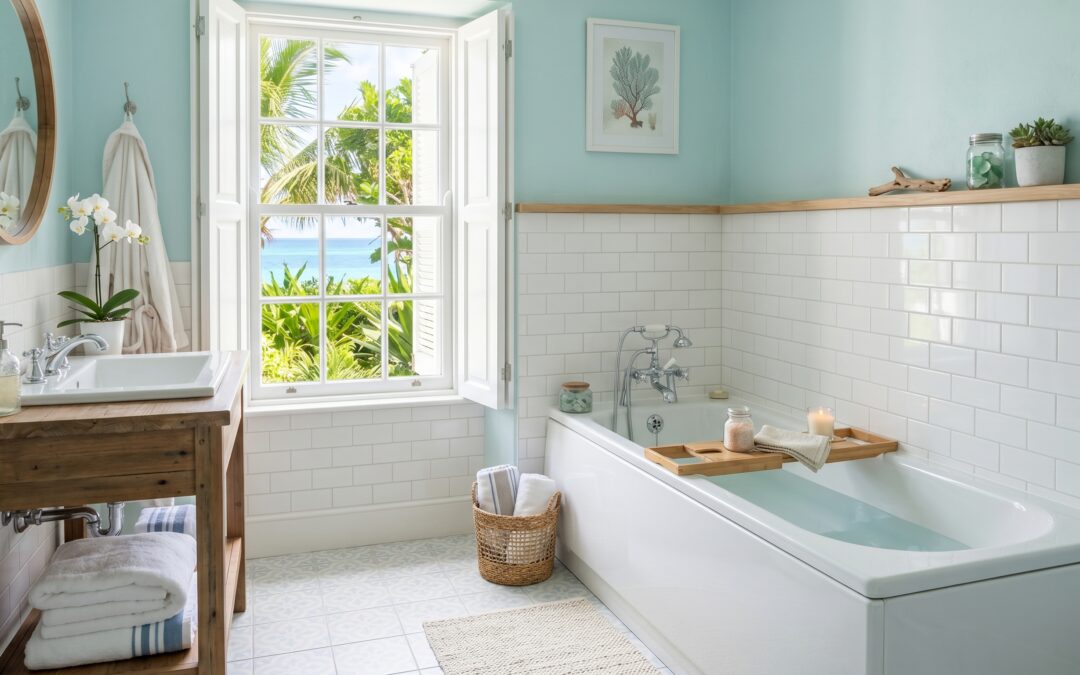
When people describe a bathroom as feeling fresh, they often think about cleanliness first. While cleanliness is certainly important, it’s only part of the equation. The condition of the surfaces throughout the room plays an equally important role in how the space feels.
Think about the bathrooms you’ve visited that immediately felt bright, welcoming, and well cared for. Chances are, the surfaces were smooth, consistent, and reflected light well. The bathtub had a clean finish, the tiles looked uniform, and the room felt maintained.
Over time, even a regularly cleaned bathroom can begin to lose that feeling. Daily use gradually affects surfaces in ways that aren’t always obvious at first. Small scratches, worn finishes, and slight discoloration can accumulate slowly, changing how the room looks and feels.
One of the biggest contributors is light reflection. Smooth surfaces naturally bounce light around a room, helping the space feel brighter and more open. As finishes wear down, that reflective quality decreases. The result can be a bathroom that feels older or less vibrant despite being clean and functional.
The condition of the bathtub often has a significant impact because it’s usually one of the largest visual elements in the room. When the tub surface looks worn, it can influence how the entire bathroom is perceived.
Tiles play a similar role. Even when they’re structurally sound, faded finishes or uneven appearance can affect the overall atmosphere of the space.
The good news is that creating a fresh, inviting bathroom doesn’t always require a complete remodel. Restoring the appearance of existing surfaces can dramatically improve the look and feel of the room while maintaining its current layout and functionality.
Many homeowners are surprised by how much difference surface condition makes once they see the results of a refreshed finish. Sometimes the smallest visual improvements create the biggest change in how a space is experienced every day.