
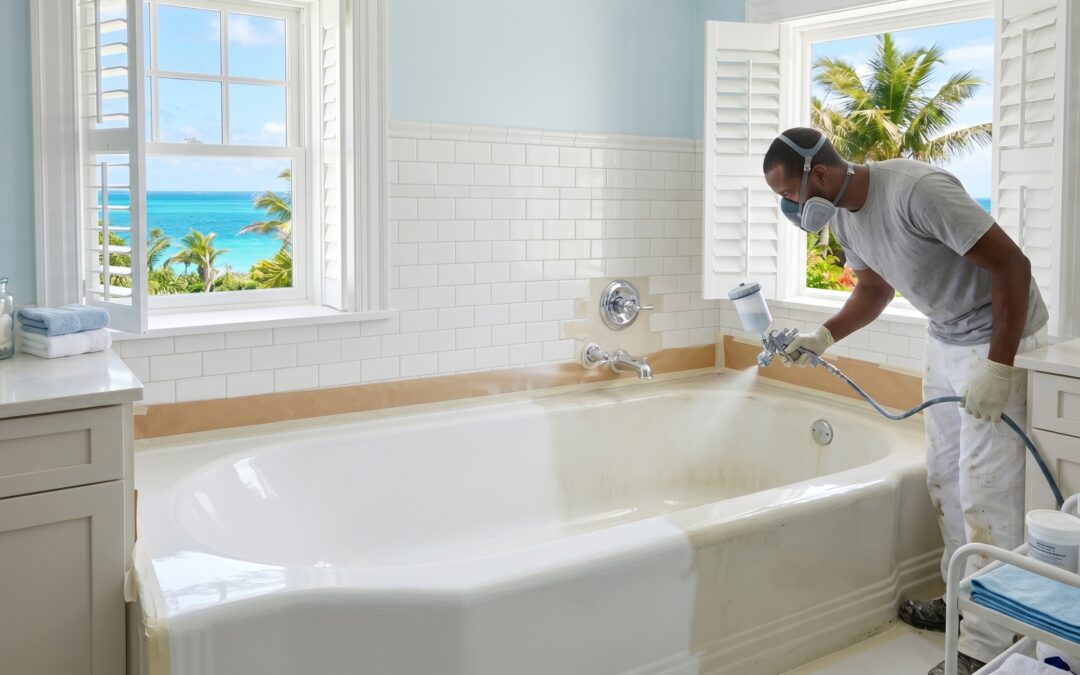
When a bathtub looks worn or cabinets begin showing their age, many homeowners immediately assume replacement is the next step. It’s a common assumption, but it’s not always necessary.
Replacement certainly has its place, especially when structural issues are involved. However, many surfaces that appear old or tired are still fundamentally sound. In these situations, restoration can be a practical alternative worth considering.
One reason replacement is often the first thought is visibility. Surface wear is easy to see, while the structural condition beneath it is not. As a result, people sometimes assume that visible wear means the entire fixture has reached the end of its life.
In reality, many tubs, tiles, cabinets, and appliances continue functioning perfectly despite cosmetic wear.
Restoration focuses on improving the appearance and condition of the existing surface rather than removing and replacing it. This approach allows homeowners to preserve what is already working while refreshing the look of the space.
Another advantage is reduced disruption. Replacement projects often involve demolition, installation, and longer timelines. Restoration typically focuses on the existing structure, minimizing interruptions to daily routines.
For homeowners evaluating their options, it’s often helpful to separate appearance from functionality. A surface may look worn while remaining perfectly capable of providing years of continued use.
Exploring restoration options first can provide a broader perspective on what’s possible. In many cases, homeowners discover they have more choices than they originally thought.
The best decision depends on the condition of the surface, the goals for the space, and the desired outcome. Understanding all available options helps ensure those decisions are made with confidence rather than assumptions.